

What are the considerations when connecting bare disc varistors in parallel?
May 19, 2025
When it comes to protecting electrical circuits from overvoltage events, bare disc varistors are a popular choice due to their excellent voltage clamping capabilities and fast response times. As a bare disc varistors supplier, I often receive inquiries about connecting these components in parallel. Connecting bare disc varistors in parallel can be a useful strategy to increase the current handling capacity or to achieve a specific voltage rating. However, there are several important considerations to keep in mind to ensure a safe and effective parallel connection.
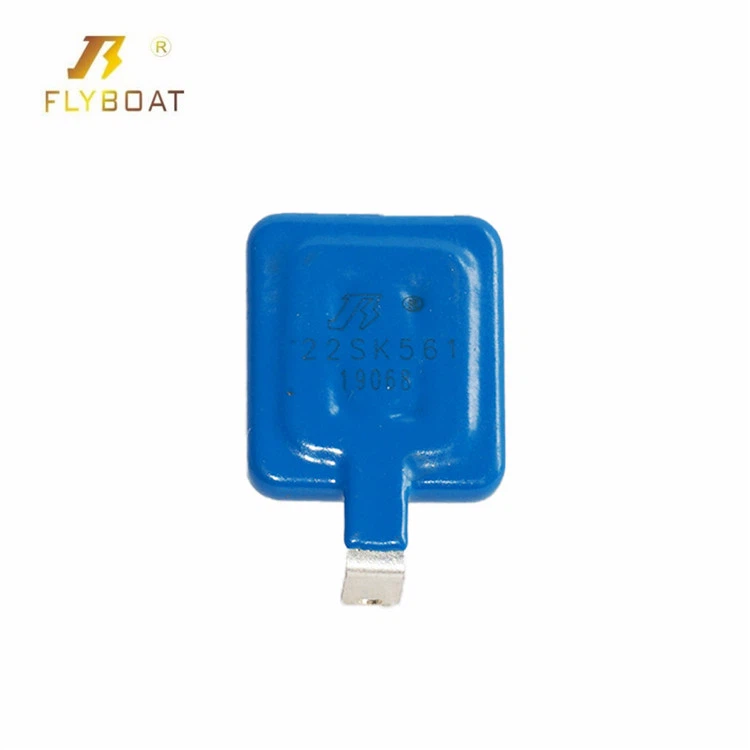
1. Voltage Rating and Tolerance
One of the first considerations when connecting bare disc varistors in parallel is the voltage rating and tolerance of the varistors. Varistors have a specified maximum continuous operating voltage (MCOV) and a clamping voltage at a given current level. When connecting varistors in parallel, it is crucial to ensure that all the varistors have the same or very similar voltage ratings.
If varistors with different voltage ratings are connected in parallel, the varistor with the lowest voltage rating will start to conduct first when an overvoltage occurs. This can lead to uneven current distribution among the varistors, potentially causing the lower-rated varistor to overheat and fail prematurely. Therefore, it is recommended to select varistors with a tight voltage tolerance, typically within ±5% or better, to ensure a more uniform current sharing.
For example, if you are using MOV DC [/metal-oxide-varistor/mov-dc.html] varistors in a parallel connection, make sure they all have the same MCOV and clamping voltage specifications. This will help to prevent one varistor from taking on more current than the others, reducing the risk of thermal stress and failure.
2. Current Sharing
Proper current sharing is essential when connecting bare disc varistors in parallel. In an ideal scenario, the current should be evenly distributed among all the varistors. However, in practice, there can be slight differences in the electrical characteristics of individual varistors, such as resistance and capacitance, which can affect current sharing.
To improve current sharing, it is advisable to use varistors from the same manufacturing batch. This helps to minimize the differences in electrical characteristics between the varistors. Additionally, external resistors can be connected in series with each varistor to equalize the current flow. These resistors, known as current-sharing resistors, help to balance the impedance of each varistor branch and ensure a more uniform current distribution.
The value of the current-sharing resistors should be carefully selected based on the expected current and the characteristics of the varistors. A general rule of thumb is to choose a resistor value that is several times larger than the dynamic resistance of the varistor at the expected operating current. This helps to ensure that the resistors have a significant impact on current sharing without introducing excessive power dissipation.
3. Thermal Considerations
Thermal management is another critical factor when connecting bare disc varistors in parallel. When varistors conduct current during an overvoltage event, they generate heat. If the heat is not dissipated properly, it can cause the varistors to overheat, leading to a decrease in performance and potentially permanent damage.
When varistors are connected in parallel, the total heat generated is the sum of the heat generated by each individual varistor. Therefore, it is important to ensure that the heat dissipation capacity of the mounting arrangement is sufficient to handle the increased heat load. This may involve using heat sinks, proper ventilation, or ensuring adequate spacing between the varistors to allow for air circulation.
In addition, the temperature coefficient of the varistors should be considered. Some varistors have a positive temperature coefficient, which means that their resistance increases with temperature. This can affect current sharing and overall performance, especially in high-temperature environments. It is important to select varistors with a suitable temperature coefficient and to monitor the operating temperature to ensure that it remains within the specified range.
4. Surge Current Handling Capacity
Connecting bare disc varistors in parallel can increase the overall surge current handling capacity of the circuit. However, it is important to note that the actual surge current handling capacity of the parallel combination may not be simply the sum of the individual varistors' ratings.
The surge current distribution among the varistors can be affected by factors such as the impedance of the circuit, the lead lengths, and the electrical characteristics of the varistors. In some cases, one varistor may take on a larger portion of the surge current than the others, leading to potential overstress and failure.
To ensure that the parallel combination can handle the expected surge currents, it is recommended to perform surge current testing on the assembled circuit. This helps to verify the actual surge current distribution and to identify any potential issues with current sharing or overstress. Additionally, it is important to select varistors with a sufficient surge current rating to meet the requirements of the application. For example, Industrial High Energy Varistor [/metal-oxide-varistor/industrial-high-energy-varistor.html] are designed to handle high surge currents and can be a good choice for applications where high surge protection is required.

5. Aging and Reliability
Over time, varistors can experience aging effects, which can affect their performance and reliability. When varistors are connected in parallel, the aging characteristics of each varistor can also have an impact on the overall performance of the parallel combination.
Some varistors may age faster than others due to differences in manufacturing processes, operating conditions, or environmental factors. This can lead to changes in the electrical characteristics of the varistors, such as an increase in leakage current or a decrease in clamping voltage. These changes can affect current sharing and overall protection performance.
To ensure long-term reliability, it is important to select high-quality varistors from a reputable supplier. Additionally, regular monitoring of the varistors' performance can help to detect any signs of aging or degradation early on. This may involve measuring the leakage current, clamping voltage, or other electrical parameters at regular intervals.
6. Circuit Design and Application
The overall circuit design and application requirements also play a crucial role in determining the suitability of connecting bare disc varistors in parallel. Different applications may have different requirements for voltage protection, surge current handling, and reliability.
For example, in a Class I MOV [/metal-oxide-varistor/class-i-mov.html] application, where high-energy surges are expected, the parallel connection of varistors may be necessary to achieve the required surge current handling capacity. However, in a low-power application with relatively low surge currents, a single varistor may be sufficient.
It is important to carefully evaluate the specific requirements of the application and to consult with a qualified engineer or technical expert to determine the most appropriate varistor configuration. This may involve considering factors such as the expected overvoltage levels, the frequency of overvoltage events, and the available space for mounting the varistors.
Conclusion
Connecting bare disc varistors in parallel can be a valuable strategy to increase the current handling capacity and improve the overvoltage protection of electrical circuits. However, it is important to carefully consider the voltage rating and tolerance, current sharing, thermal management, surge current handling capacity, aging and reliability, and circuit design requirements. By taking these factors into account and following best practices, you can ensure a safe and effective parallel connection of bare disc varistors.
If you are interested in purchasing bare disc varistors or have any questions about parallel connections, please feel free to contact us for further information and to discuss your specific requirements. Our team of experts is available to provide you with the technical support and guidance you need to make the right choice for your application.
References
- Varistor Handbook, [Publisher Name], [Year]
- IEEE Standard for Surge Protective Devices, IEEE Std C62.41.2-2002
- Application Notes on Metal Oxide Varistors, [Manufacturer Name]