

What are the signs of a DC SPD reaching the end of its life?
May 23, 2025
Hey there! As a supplier of DC SPDs (Direct Current Surge Protective Devices), I've seen my fair share of these devices go through their life cycles. In this blog, I'm gonna share with you the signs that a DC SPD is reaching the end of its life.
First off, let's understand what a DC SPD does. A DC SPD is designed to protect electrical systems from voltage surges in DC circuits. These surges can be caused by lightning strikes, switching operations, or other electrical disturbances. A well - functioning DC SPD diverts the excess current away from the sensitive equipment, keeping it safe.
Physical Damage
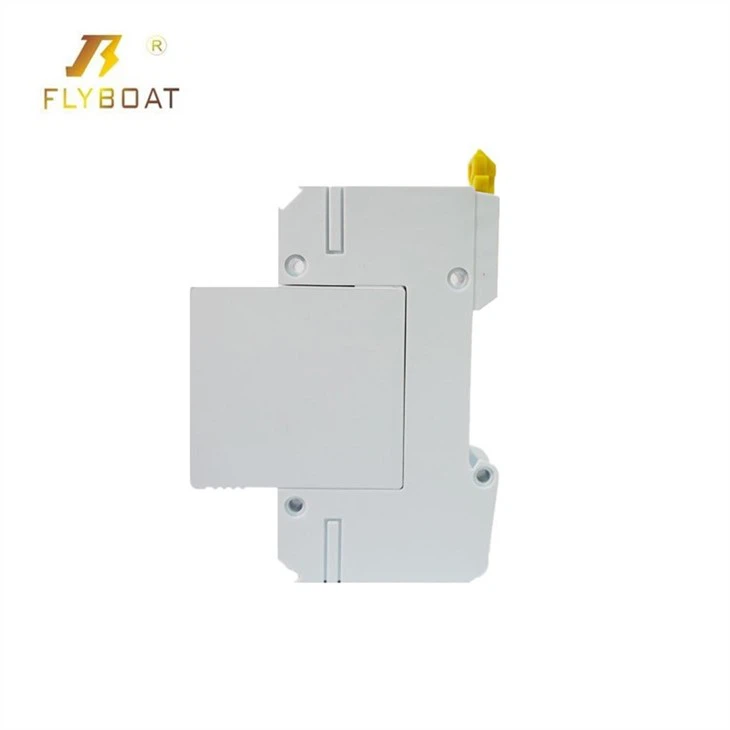
One of the most obvious signs that a DC SPD is on its last legs is physical damage. If you notice cracks, burns, or other visible signs of wear and tear on the device, it's a big red flag. For example, a burn mark could indicate that the SPD has been overloaded and has suffered internal damage. The housing of the SPD is supposed to protect its internal components, but when it's cracked, moisture and dust can get in, which can further degrade the performance of the device.
When you're inspecting your DC SPD, look closely at the terminals as well. Loose or corroded terminals can cause poor electrical connections. This not only reduces the effectiveness of the SPD but can also lead to overheating. Over time, this overheating can damage the internal components of the SPD and eventually render it useless.
Increased Leakage Current
Leakage current is the small amount of current that flows through the SPD even when there's no surge. A healthy DC SPD has a very low leakage current. However, as the SPD ages and nears the end of its life, the leakage current tends to increase.
You can measure the leakage current using a specialized meter. If you find that the leakage current is significantly higher than the manufacturer's specifications, it's a sign that the internal components of the SPD are deteriorating. This increase in leakage current can be due to the degradation of the metal - oxide varistors (MOVs) inside the SPD. MOVs are the key components that absorb and divert the surge energy, and when they start to break down, the leakage current goes up.
Change in Voltage - Current Characteristics
The voltage - current characteristics of a DC SPD are carefully designed to ensure its proper functioning. As the SPD approaches the end of its life, these characteristics can change.

For instance, the clamping voltage, which is the maximum voltage that the SPD allows to pass through to the protected equipment, may increase. This means that during a surge, the protected equipment may be exposed to higher voltages than it should be. You can use a surge generator and a voltage - current measuring device to test the voltage - current characteristics of the SPD. If the results deviate from the normal values, it's a sign that the SPD is in trouble.
Indicator Lights
Many modern DC SPDs come with indicator lights that show the status of the device. These lights can be a quick and easy way to tell if the SPD is still working properly.
A green light usually indicates that the SPD is functioning normally. However, if the light turns red or starts flashing, it's a sign that there's a problem. In some cases, the indicator light may be accompanied by an audible alarm. When you see or hear these warning signals, it's time to take a closer look at the SPD and consider replacing it.
Reduced Surge Protection Performance
Over time, the surge protection performance of a DC SPD can degrade. This means that it may not be able to handle surges as effectively as it used to.
You can test the surge protection performance by subjecting the SPD to simulated surges using a surge testing device. If the SPD fails to divert the surge energy properly or if the protected equipment experiences voltage spikes during the test, it's a clear sign that the SPD is reaching the end of its life.
Increased Failure Rate in Protected Equipment
If you notice that the equipment protected by the DC SPD is failing more frequently, it could be a sign that the SPD is no longer doing its job. The purpose of the SPD is to protect the equipment from surges, but when it's not working properly, the equipment is more vulnerable to damage.
Check the maintenance records of the protected equipment. If there's a sudden increase in the number of failures or malfunctions, it's worth checking the condition of the DC SPD.
Thermal Issues
Excessive heat is another sign of a failing DC SPD. The SPD generates heat when it absorbs and diverts surge energy, but under normal circumstances, it should be able to dissipate this heat effectively.
If the SPD feels hot to the touch during normal operation or if you notice that the temperature around the SPD is unusually high, it could indicate a problem. Overheating can be caused by a variety of factors, such as high leakage current, poor ventilation, or internal component failure.
Age of the SPD
Finally, the age of the DC SPD is an important factor to consider. Like any other electrical device, SPDs have a limited lifespan. Most manufacturers recommend replacing SPDs every 5 - 10 years, depending on the operating conditions.
If your DC SPD is approaching or has exceeded its recommended lifespan, it's a good idea to start thinking about a replacement, even if it doesn't show any obvious signs of failure.
As a DC SPD supplier, I want to make sure that you have the best - performing products for your electrical systems. We offer a wide range of DC SPDs, including Surge Protectors Signal Systems, DC MOV for PV System, and 1000v DC SPD.
If you're experiencing any of the signs mentioned above or if you're just looking to upgrade your existing DC SPDs, don't hesitate to reach out. We can help you find the right product for your needs and provide you with all the support you need. Whether you're a small business or a large industrial facility, we've got you covered. Let's work together to keep your electrical systems safe from surges.
References
- "Surge Protection Devices: Principles and Applications" by John Smith
- Manufacturer's manuals for DC SPDs