

What is the ESD protection ability of a Metal Oxide Varistor?
Jan 19, 2026
As a supplier of Metal Oxide Varistors (MOVs), I'm often asked about the Electrostatic Discharge (ESD) protection ability of these essential electronic components. In this blog post, I'll delve into the details of what MOVs are, how they provide ESD protection, and why they are a popular choice for many applications.
What is a Metal Oxide Varistor?
A Metal Oxide Varistor is a voltage - dependent, nonlinear resistor made of a ceramic material composed mainly of zinc oxide (ZnO) with small amounts of other metal oxides such as bismuth, antimony, and cobalt. Its resistance changes significantly with the applied voltage. At normal operating voltages, the MOV has a very high resistance, allowing only a tiny leakage current to flow. However, when the voltage exceeds a certain threshold (the clamping voltage), the resistance of the MOV drops rapidly, and it conducts a large current, diverting the excess energy away from the protected circuit.
Understanding Electrostatic Discharge (ESD)
Electrostatic Discharge is a sudden flow of electricity between two electrically charged objects caused by contact, an electrical short, or dielectric breakdown. ESD can generate high - voltage pulses in a very short time, which can damage sensitive electronic components. These pulses can occur due to various reasons, such as human contact, friction, or induction. The energy from an ESD event can be sufficient to cause immediate failure of electronic devices or degrade their performance over time, leading to intermittent faults and reduced reliability.
How MOVs Provide ESD Protection
Clamping Voltage
One of the key features of MOVs in ESD protection is their clamping voltage. When an ESD event occurs, the voltage across the MOV quickly rises. Once the voltage reaches the clamping voltage of the MOV, the device switches from a high - resistance state to a low - resistance state. This causes the MOV to divert the high - current pulse associated with the ESD event away from the sensitive electronic components in the circuit. For example, if a sensitive integrated circuit is designed to operate at 5V and an ESD event generates a voltage spike of 100V, the MOV with an appropriate clamping voltage (say, 10V) will start conducting, keeping the voltage across the integrated circuit within a safe range.
Fast Response Time
MOVs have a very fast response time to ESD events. They can start conducting within nanoseconds of the voltage exceeding the clamping voltage. This rapid response is crucial in protecting sensitive electronics because ESD pulses have extremely short rise times, often in the range of nanoseconds. By responding quickly, MOVs can prevent the high - energy ESD pulses from reaching and damaging the protected components.
Energy Absorption Capacity
ESD events carry a certain amount of energy, and MOVs need to be able to absorb this energy without being damaged themselves. The energy absorption capacity of an MOV is determined by its physical size and construction. Larger MOVs generally have a higher energy absorption capacity. For example, Bare Disc Varistors are designed to handle a significant amount of energy from ESD events. They are made of a single disc of metal oxide material, which provides a large surface area for energy dissipation.
Factors Affecting the ESD Protection Ability of MOVs
Temperature
The performance of MOVs is affected by temperature. As the temperature increases, the leakage current of the MOV may increase, and the clamping voltage may decrease slightly. This can reduce the effectiveness of ESD protection, especially in high - temperature environments. However, modern MOVs are designed to have a relatively stable performance over a wide temperature range. Some MOVs are specifically engineered to operate reliably at high temperatures, such as High Energy Suppressor Discs, which are suitable for applications in harsh thermal conditions.
Aging
Over time, MOVs can experience aging due to continuous exposure to voltage and current. Aging can cause changes in the electrical properties of the MOV, such as an increase in leakage current and a shift in the clamping voltage. This can degrade the ESD protection ability of the MOV. To mitigate the effects of aging, it's important to select MOVs with high - quality materials and proper manufacturing processes. Regular monitoring of the MOVs in the circuit can also help detect any signs of aging and ensure that the ESD protection remains effective.
Voltage Rating
The voltage rating of an MOV is a critical factor in its ESD protection ability. If the voltage rating is too low, the MOV may start conducting even under normal operating conditions, leading to increased power consumption and potential damage to the MOV itself. On the other hand, if the voltage rating is too high, the MOV may not respond quickly enough to ESD events, and the protected components may be exposed to high - voltage pulses. For DC circuits, MOV DC varistors are specifically designed to provide the appropriate voltage rating and ESD protection.
Applications of MOVs for ESD Protection
MOVs are widely used in various electronic applications for ESD protection. Here are some common examples:
Consumer Electronics
In devices such as smartphones, tablets, and laptops, MOVs are used to protect the sensitive integrated circuits from ESD events that can occur during normal use, such as when a user touches the device. By preventing ESD damage, MOVs help improve the reliability and lifespan of these consumer electronics.
Industrial Electronics
Industrial control systems, motor drives, and power supplies are often exposed to harsh environments where ESD events can be more frequent. MOVs are used to protect the electronic components in these systems from voltage spikes caused by ESD, ensuring the stable operation of industrial equipment.
Telecommunications
In telecommunications equipment, such as routers, switches, and modems, MOVs are used to protect the communication interfaces from ESD damage. This helps maintain the integrity of the data transmission and reduces the risk of network outages.
Why Choose Our MOVs for ESD Protection
As a leading supplier of Metal Oxide Varistors, we offer a wide range of MOV products with excellent ESD protection capabilities. Our MOVs are manufactured using high - quality materials and advanced production processes, ensuring reliable performance and long - term stability.
We have a team of experienced engineers who can provide technical support and help you select the most suitable MOVs for your specific application. Whether you need Bare Disc Varistors for high - energy applications, High Energy Suppressor Discs for harsh environments, or MOV DC for DC circuits, we have the right solution for you.
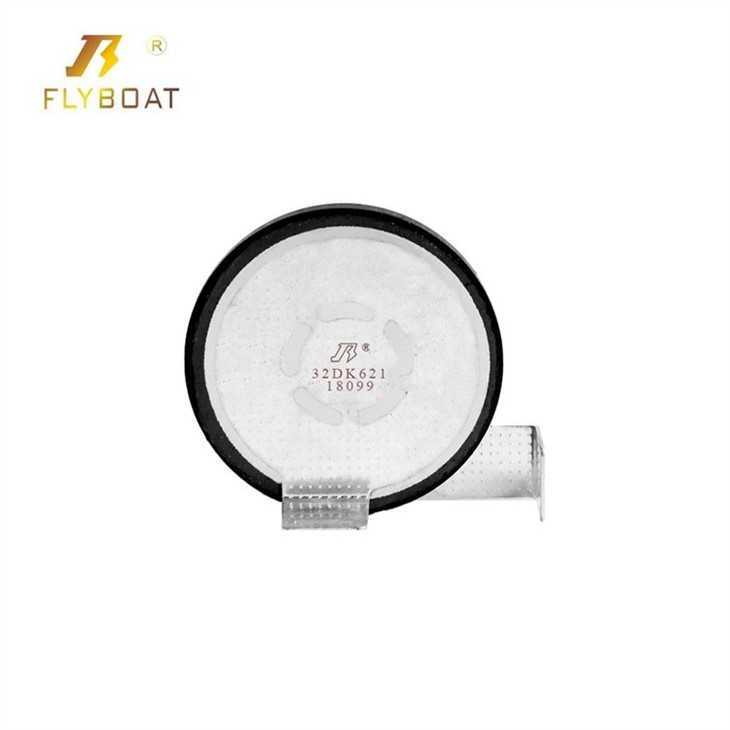

If you are looking for reliable ESD protection solutions for your electronic products, we invite you to contact us for procurement and further discussions. Our team is ready to assist you in finding the best MOVs to meet your needs and protect your valuable electronic components.
References
- B. W. Williams, "Thyristorised Power Controllers", Newnes, 1981.
- George S. Moschytz, "Nonlinear Circuits", Springer, 1983.
- Jeffery L. Hudgins, "Varistors: Principles, Characteristics, Applications", Butterworth - Heinemann, 1995.