

What is the surge withstand times of 34S Metal Oxide Varistor under different energy levels?
Aug 05, 2025
Hey there! As a supplier of 34S Metal Oxide Varistors (MOVs), I often get asked about the surge withstand times of these components under different energy levels. It's a crucial question, especially for those in the electrical and electronics industries who rely on MOVs to protect their equipment from voltage surges. In this blog, I'll dive deep into this topic and share some insights based on my experience in the field.
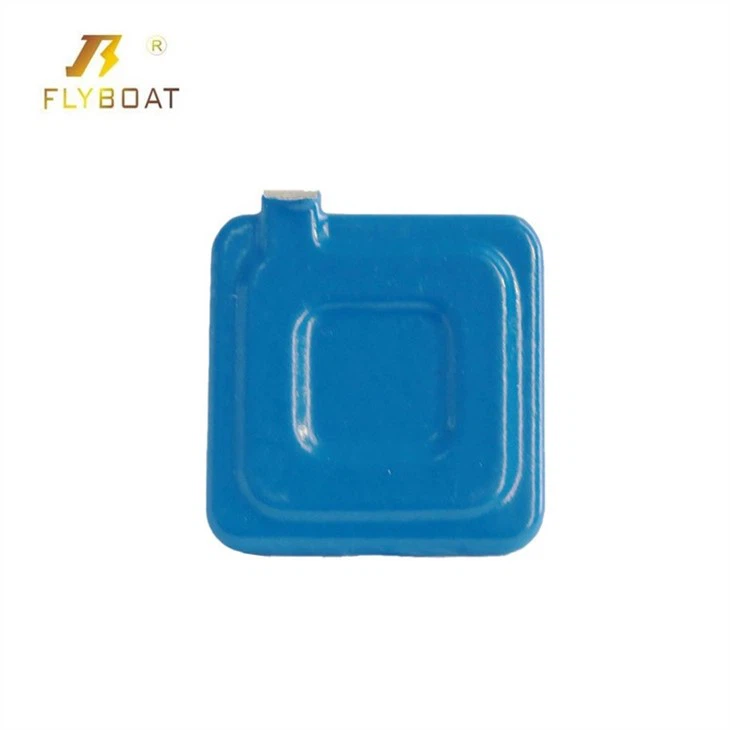
First off, let's quickly go over what a 34S Metal Oxide Varistor is. MOVs are voltage-dependent resistors made of a ceramic material composed mainly of zinc oxide. They're designed to protect electrical circuits from overvoltage events by diverting excessive current away from sensitive components. The "34S" refers to a specific type or model of MOV, which has its own unique characteristics and performance specifications.
Now, let's talk about surge withstand times. The surge withstand time of an MOV is the number of times it can handle a surge of a certain energy level before its performance starts to degrade or it fails completely. This is a critical factor because in real-world applications, electrical systems can be exposed to multiple surges over time, and the MOV needs to be able to withstand these events without losing its protective capabilities.
The surge withstand times of a 34S MOV can vary significantly depending on the energy level of the surge. Generally speaking, as the energy level of the surge increases, the number of times the MOV can withstand the surge decreases. This is because higher energy surges put more stress on the MOV, causing more damage to its internal structure with each surge.
For example, at relatively low energy levels, say around 100 joules, a 34S MOV might be able to withstand hundreds or even thousands of surges. These low-energy surges are common in everyday electrical environments, such as those caused by minor power fluctuations or small electrical disturbances. In these cases, the MOV can act as a reliable protector for a long time.

However, when the energy level of the surge increases to, let's say, 1000 joules or more, the surge withstand times of the 34S MOV drop significantly. At these high energy levels, the MOV might only be able to handle a few surges before it starts to show signs of wear and tear. High-energy surges can be caused by lightning strikes, power grid faults, or large electrical equipment switching on and off. These events can be extremely damaging to electrical systems, and the MOV needs to be able to handle them effectively to prevent equipment damage.
To understand the relationship between surge energy level and withstand times more precisely, we need to look at the datasheet of the 34S MOV. The datasheet provides detailed information about the MOV's performance under different surge conditions, including the number of surges it can withstand at various energy levels. It's important to note that these values are based on standardized testing conditions, and in real-world applications, the actual surge withstand times might be different due to factors such as temperature, humidity, and the frequency of surges.
Another factor that affects the surge withstand times of a 34S MOV is its physical size and construction. Larger MOVs generally have a higher surge withstand capacity because they have more material to absorb and dissipate the energy of the surge. Additionally, the quality of the manufacturing process can also have a significant impact on the MOV's performance. High-quality MOVs are made with better materials and more precise manufacturing techniques, which can result in better surge withstand times and overall reliability.
As a supplier of 34S Metal Oxide Varistors, I offer a wide range of products to meet different customer needs. Whether you're looking for MOV Varistor For Spd, Bare Disc Varistors, or AC Varistor, I've got you covered. My MOVs are carefully designed and manufactured to provide excellent surge protection and long-lasting performance.
When choosing a 34S MOV for your application, it's important to consider the expected energy levels of the surges in your electrical system. You should also take into account other factors such as the operating temperature range, the maximum continuous operating voltage, and the response time of the MOV. By selecting the right MOV for your specific needs, you can ensure that your electrical equipment is well-protected from voltage surges.
If you're in the market for high-quality 34S Metal Oxide Varistors, I'd love to hear from you. I can provide you with detailed product information, technical support, and competitive pricing. Whether you're a small electronics manufacturer or a large industrial company, I'm committed to helping you find the best MOV solutions for your applications. So, don't hesitate to reach out and start a conversation about your procurement needs.
In conclusion, the surge withstand times of a 34S Metal Oxide Varistor are a critical factor in its performance and reliability. By understanding the relationship between surge energy level and withstand times, and by choosing the right MOV for your application, you can ensure that your electrical systems are well-protected from voltage surges. As a trusted supplier of MOVs, I'm here to help you make the right choice and provide you with the best products and services.
References
- Manufacturer datasheets of 34S Metal Oxide Varistors
- Industry standards and guidelines for surge protection devices
- Technical papers and research on the performance of Metal Oxide Varistors