What Is MOV
Aug 05, 2025
I. Concept of MOV (Metal-Oxide Varistor)
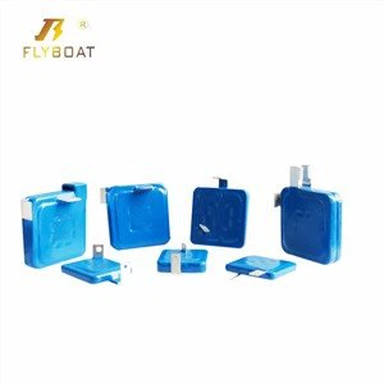
Metal Oxide Varistors (MOVs) are a type of nonlinear resistor component primarily composed of zinc oxide (ZnO). They are fabricated using typical electronic ceramic processes, incorporating various metal oxides to form polycrystalline semiconductor ceramic components. The resistance of a MOV varies nonlinearly with changes in voltage, exhibiting symmetrical I-V characteristics. This characteristic makes MOVs play a significant role in circuit protection.
II. Operating principle of varistor
The working principle of a varistor is based on its nonlinear volt-ampere characteristics. Below the threshold voltage, the resistance of the varistor is very high, and almost no current flows through it. However, when the voltage exceeds the threshold voltage, the resistance drops sharply, allowing a large current to be discharged. This characteristic enables the varistor to respond quickly to voltage changes, preventing electronic devices from being damaged by voltage overload and overvoltage by suppressing and limiting excessively high voltages.
Specifically, when the voltage in the circuit exceeds the operating voltage range of the varistor, it will automatically change to a lower resistance value, guiding the excessively high voltage to the ground, thereby protecting the electronic components of the subsequent circuit from being damaged by the excessively high voltage. When the voltage in the circuit returns to the normal range, the varistor will return to a higher resistance value to maintain the normal operation of the circuit.
III. The role of varistors in circuits
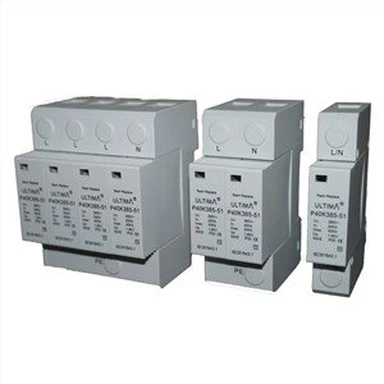
Varistors are primarily used in circuits for power overvoltage protection and voltage stabilization. They are typically used in parallel within the circuit. When there is a sharp change in voltage across the varistor, it short-circuits, causing the current fuse to melt and thus providing protection. Varistors can absorb abnormal voltages, such as lightning surges, protecting electronic devices from damage.