

What are the safety precautions when installing a parts surge arrestor?
Oct 23, 2025
When it comes to electrical systems, protecting sensitive equipment from power surges is of utmost importance. As a trusted Parts Surge Arrestor supplier, I understand the critical role these devices play in safeguarding electrical installations. In this blog, I'll share essential safety precautions to consider when installing a Parts Surge Arrestor, ensuring a secure and reliable electrical setup.
1. Pre - Installation Safety Checks
Before you even begin the installation process, a series of safety checks are necessary. First and foremost, ensure that you have the correct Parts Surge Arrestor for your specific application. Refer to the product datasheet and technical specifications provided by the manufacturer. The datasheet will contain information about the arrestor's voltage rating, current - handling capacity, and other crucial parameters. Make sure these match the requirements of your electrical system.
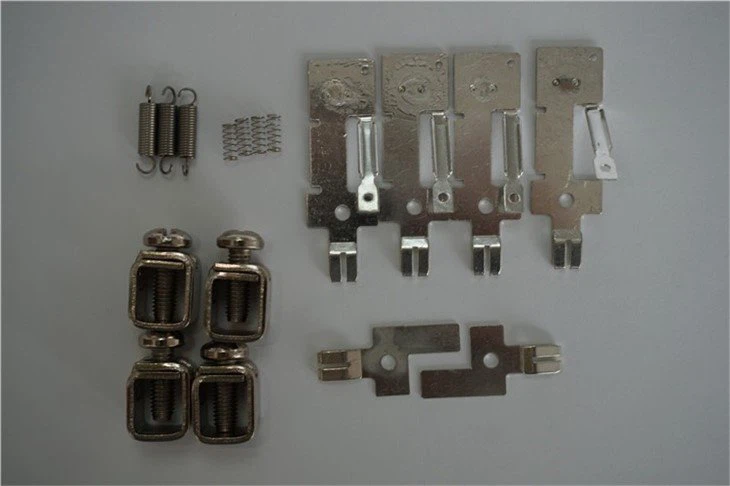

Inspect the arrestor for any visible damage. Look for cracks, dents, or signs of corrosion on the housing. A damaged arrestor may not function properly and could pose a safety risk. If you find any issues, contact the supplier immediately for a replacement.
It's also vital to turn off the power supply to the area where the arrestor will be installed. This can prevent electric shock during the installation process. Use a voltage tester to verify that the power is indeed off. A simple mistake in this step can lead to serious injury or even death.
2. Personal Protective Equipment (PPE)
Wearing appropriate personal protective equipment is non - negotiable when installing a Parts Surge Arrestor. Safety glasses should be worn to protect your eyes from any debris that may be dislodged during the installation. Gloves are also essential to prevent cuts and electric shock. Choose gloves that are rated for electrical work and in good condition.
A hard hat is recommended, especially if you are working in an area where there is a risk of falling objects. Additionally, wear non - conductive footwear to further reduce the risk of electric shock.
3. Installation Location
Selecting the right installation location is crucial for the proper functioning of the Parts Surge Arrestor. The arrestor should be installed as close as possible to the equipment it is protecting. This minimizes the length of the connection cables and reduces the risk of voltage drops and interference.
The location should be dry and well - ventilated. Moisture can cause corrosion and damage to the arrestor, reducing its effectiveness. Avoid areas where the arrestor may be exposed to water, such as near leaky pipes or in outdoor locations without proper protection.
Ensure that the installation area is free from any flammable materials. Power surges can generate heat, and if there are flammable substances nearby, it could lead to a fire hazard.
4. Mounting the Arrestor
When mounting the Parts Surge Arrestor, follow the manufacturer's instructions carefully. Use the appropriate mounting hardware provided. Make sure the arrestor is securely fastened to the mounting surface. A loose arrestor can vibrate, which may cause internal damage over time.
The mounting surface should be flat and able to support the weight of the arrestor. If the arrestor is being installed on a wall, check the wall's integrity to ensure it can handle the load.
5. Electrical Connections
Proper electrical connections are the key to the arrestor's performance. Use the correct gauge of wires for the connections. The wire gauge should be based on the current - carrying capacity of the arrestor. Refer to the product manual for the recommended wire size.
Before making any connections, strip the wires to the appropriate length. Ensure that the wire ends are clean and free from any oxidation or debris. Tighten the connection terminals securely to prevent loose connections, which can cause overheating and arcing.
It's important to connect the arrestor to the correct electrical phases. Incorrect phase connections can lead to malfunction and may even damage the arrestor and the equipment it is supposed to protect.
6. Grounding
Grounding is one of the most critical aspects of installing a Parts Surge Arrestor. A proper ground connection provides a path for the excess electrical energy during a surge to safely dissipate into the earth.
Use a dedicated grounding conductor with the appropriate size as specified by the manufacturer. Connect the arrestor's grounding terminal to a reliable grounding electrode. This could be a ground rod, a grounding plate, or a building's grounding system.
Ensure that the grounding connection is tight and free from corrosion. Periodically check the grounding resistance to make sure it is within the acceptable range. High grounding resistance can reduce the effectiveness of the arrestor.
7. Post - Installation Testing
After the installation is complete, perform a series of tests to ensure that the Parts Surge Arrestor is working correctly. Use a surge tester to simulate a power surge and check if the arrestor is diverting the excess energy to the ground.
Check the voltage levels at the protected equipment to ensure that they are within the normal range. Any abnormal voltage readings could indicate a problem with the arrestor or the installation.
8. Documentation
Keep detailed documentation of the installation process. This includes the date of installation, the model and serial number of the arrestor, the installation location, and the results of the post - installation tests. This documentation can be useful for future maintenance and troubleshooting.
9. Regular Maintenance
Regular maintenance is essential to keep the Parts Surge Arrestor in good working condition. Inspect the arrestor periodically for any signs of damage or wear. Check the connections for tightness and the grounding for integrity.
Clean the arrestor if necessary, but use only non - abrasive cleaning agents. Avoid using solvents that may damage the arrestor's housing or internal components.
10. Training and Expertise
If you are not experienced in installing Parts Surge Arrestors, it is advisable to seek the help of a qualified electrician. A professional can ensure that the installation is done correctly and safely.
Training programs are also available for those who want to learn more about surge protection and installation techniques. These programs can provide in - depth knowledge and hands - on experience.
As a Parts Surge Arrestor supplier, I offer a wide range of high - quality products. Our Customizable SPD Plastic provides flexibility in design, while our Surge Protective Components are engineered to meet the highest standards. You can explore our Parts Surge Arrestor collection to find the perfect solution for your needs.
If you are interested in purchasing our Parts Surge Arrestors or have any questions about installation and safety, feel free to contact us. We are here to assist you in ensuring the safety and reliability of your electrical systems.
References
- Electrical Safety Codes and Standards (National Electrical Code)
- Manufacturer's Installation and Operation Manuals for Parts Surge Arrestors
- Industry Best Practices for Surge Protection Installation