

What is a Metal Oxide Varistor?
Nov 05, 2025
Hey there! As a supplier of Metal Oxide Varistors (MOVs), I'm super stoked to dive deep into what these little wonders are all about. So, let's get right into it.
What Exactly is a Metal Oxide Varistor?
A Metal Oxide Varistor is a special type of electronic component. It's mainly made up of metal oxides, usually zinc oxide (ZnO), with small amounts of other metal oxides like bismuth, cobalt, and manganese added. These extra ingredients are like secret spices that give the MOV its unique properties.
The basic idea behind an MOV is that it acts like a voltage-dependent resistor. In normal conditions, when the voltage across it is within a certain range (the rated voltage), the MOV has a very high resistance. It's like a wall that doesn't let much current pass through. But when the voltage spikes above a certain threshold, called the clamping voltage, the MOV's resistance drops dramatically. It's as if that wall suddenly turns into a doorway, allowing a large amount of current to flow through it.
This property makes MOVs incredibly useful for protecting electronic circuits from voltage surges. Voltage surges can come from all sorts of places, like lightning strikes, power grid fluctuations, or even the switching of large electrical loads. Without proper protection, these surges can fry sensitive electronic components, causing equipment failure and costly repairs.
How Does a Metal Oxide Varistor Work?
To understand how an MOV works, we need to take a closer look at its internal structure. The metal oxide grains in an MOV are separated by thin layers of insulating material. Under normal voltage conditions, these insulating layers prevent the flow of current between the grains. But when a high-voltage surge hits, the electric field across the insulating layers becomes so strong that it breaks down the insulation. This allows electrons to flow freely between the grains, and the MOV's resistance drops.
Once the voltage surge is over and the voltage returns to normal, the insulating layers reform, and the MOV goes back to its high-resistance state. It's like a self-healing protector that can keep working over and over again.
Types of Metal Oxide Varistors
There are different types of MOVs available, each designed for specific applications. One common type is the MOV DC. As the name suggests, these MOVs are used in direct current (DC) circuits. They're great for protecting things like battery-powered devices, solar panels, and DC power supplies.
Another popular type is the 32D Metal Oxide Varistor. The "32D" refers to the physical size and shape of the MOV. These MOVs are often used in low-voltage applications, such as consumer electronics, computer power supplies, and telecommunications equipment.

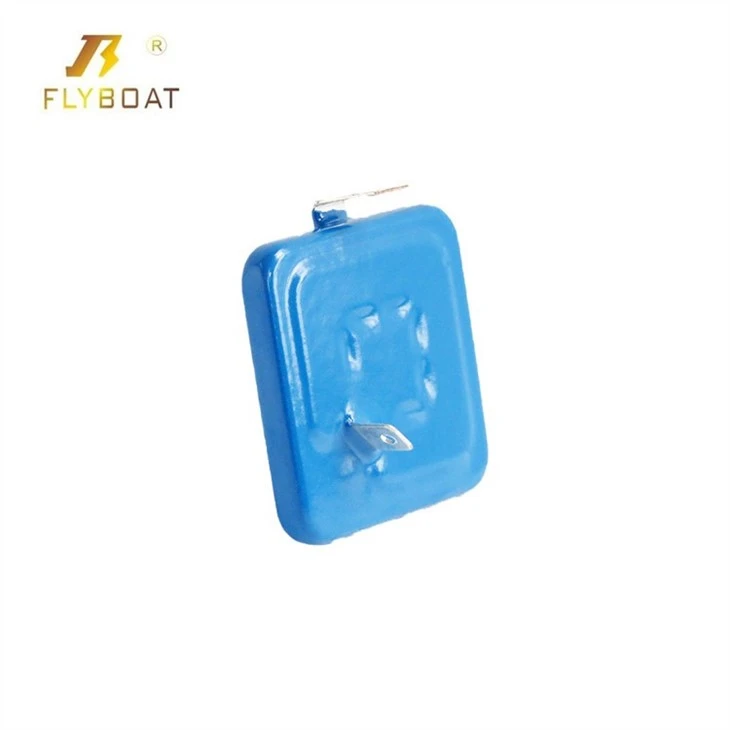
The 34S Metal Oxide Varistor is also widely used. It's a bit larger than the 32D and can handle higher energy surges. These MOVs are commonly found in industrial applications, like motor drives, power distribution systems, and large electrical appliances.
Applications of Metal Oxide Varistors
MOVs are used in a wide range of applications across different industries. Here are some of the most common ones:
- Consumer Electronics: In our everyday gadgets like smartphones, laptops, and TVs, MOVs protect the internal circuits from power surges. They ensure that our devices keep working smoothly, even when there are fluctuations in the electrical supply.
- Power Supplies: Whether it's a small wall adapter or a large industrial power supply, MOVs are used to safeguard the power supply from overvoltage conditions. This helps to prevent damage to the power supply itself and the connected equipment.
- Telecommunications: In phone lines, data cables, and wireless communication systems, MOVs protect the sensitive electronic components from lightning strikes and other voltage surges. They help to maintain a stable and reliable communication network.
- Industrial Equipment: In factories and manufacturing plants, MOVs are used to protect motors, control systems, and other industrial equipment from power surges. This reduces downtime and maintenance costs, keeping the production running smoothly.
Choosing the Right Metal Oxide Varistor
When it comes to choosing the right MOV for your application, there are a few key factors to consider:
- Clamping Voltage: This is the voltage at which the MOV starts to conduct current. You need to choose an MOV with a clamping voltage that's higher than the normal operating voltage of your circuit but low enough to protect your components from overvoltage.
- Energy Rating: The energy rating of an MOV indicates how much energy it can absorb during a voltage surge. You need to select an MOV with an energy rating that's sufficient for the expected surge energy in your application.
- Size and Mounting: The physical size and mounting style of the MOV are important, especially if you're working with limited space. Make sure the MOV you choose can fit into your circuit board and be easily installed.
Why Choose Our Metal Oxide Varistors?
As a supplier of MOVs, we take pride in offering high-quality products that meet the highest industry standards. Here's why you should consider choosing our MOVs:
- Quality Assurance: We use the best materials and manufacturing processes to ensure that our MOVs are reliable and durable. Each MOV is thoroughly tested before it leaves our factory to make sure it meets our strict quality requirements.
- Wide Range of Products: We offer a wide range of MOVs with different clamping voltages, energy ratings, and sizes to suit various applications. Whether you need a small MOV for a consumer electronic device or a large one for an industrial application, we've got you covered.
- Technical Support: Our team of experts is always ready to help you choose the right MOV for your application. We can provide you with technical advice, product specifications, and even custom solutions if needed.
If you're in the market for Metal Oxide Varistors, we'd love to hear from you. Whether you're a small electronics manufacturer or a large industrial company, we can offer you the right products and services to meet your needs. Don't hesitate to reach out to us for more information or to start a procurement discussion.
References
- "Handbook of Electronic Component Technology"
- "Electrical Engineering Handbook"
So, that's a wrap on what Metal Oxide Varistors are all about. I hope this blog has given you a better understanding of these amazing components and how they can protect your electronic circuits. If you have any questions or need further information, feel free to contact us. We're here to help you keep your electronics safe and running smoothly.