

What is the discharge current of Power Line SPD?
Jun 27, 2025
Hey there! As a supplier of Power Line SPDs, I often get asked about the discharge current of these devices. So, let's dive right into it and break down what the discharge current of a Power Line SPD is all about.
What's the Deal with Discharge Current?
First off, let's understand what discharge current means in the context of a Power Line SPD. A Power Line SPD, or Surge Protective Device, is designed to protect electrical systems from voltage surges. These surges can come from various sources, like lightning strikes, switching operations in the power grid, or even electrical equipment malfunctions.
The discharge current is the amount of electrical current that the SPD can safely divert to the ground during a surge event. Think of it as the "escape route" for the excess electrical energy. When a surge hits the power line, the SPD kicks into action and provides a low - resistance path for the surge current to flow, preventing it from reaching and damaging the connected electrical equipment.
Why Does Discharge Current Matter?
The discharge current rating of an SPD is crucial because it determines how well the device can handle different levels of surges. If the discharge current rating is too low, the SPD might not be able to handle a large surge, and it could fail, leaving your electrical system vulnerable. On the other hand, if the rating is too high, you might end up paying more for a device than you actually need.
For example, in a small residential setup, a lower discharge current rating might be sufficient. But in an industrial environment where there are larger electrical loads and a higher risk of powerful surges, a higher discharge current rating is necessary.
How is Discharge Current Measured?
The discharge current is typically measured in kiloamperes (kA). There are different test standards and methods to determine the discharge current rating of an SPD. One common test is the 8/20 μs current impulse test. In this test, a current pulse with a rise time of 8 microseconds and a decay time to half - value of 20 microseconds is applied to the SPD, and the device's ability to handle this pulse is measured.
Another important parameter related to discharge current is the maximum discharge current (Imax) and the nominal discharge current (In). The nominal discharge current is the current level at which the SPD is designed to operate under normal surge conditions. The maximum discharge current, as the name suggests, is the highest current level that the SPD can handle in a single surge event without being damaged.
Factors Affecting Discharge Current
Several factors can affect the discharge current of a Power Line SPD. One of the main factors is the type of surge arrester used in the SPD. Metal Oxide Varistors (MOVs) are commonly used in SPDs. The characteristics of the MOV, such as its size and material composition, can influence the discharge current capacity.
The design and construction of the SPD also play a role. A well - designed SPD with proper internal connections and heat dissipation mechanisms can handle higher discharge currents more effectively. Additionally, the environmental conditions where the SPD is installed can affect its performance. High temperatures, for example, can reduce the effectiveness of the MOVs and thus lower the discharge current capacity.
Different Applications and Discharge Current Requirements
Let's take a look at some different applications and the corresponding discharge current requirements.
Residential Applications
In a typical residential home, the electrical system is not as complex as in an industrial setting. A discharge current rating of around 5 - 10 kA might be sufficient for most residential applications. This can protect against common surges caused by lightning strikes in the area or small power grid fluctuations.
Commercial Applications
Commercial buildings usually have more electrical equipment and a higher power demand. For these applications, a discharge current rating of 20 - 50 kA is often recommended. This can handle larger surges that might occur due to the operation of heavy machinery or power grid switching.
Industrial Applications
Industrial environments are the most demanding when it comes to surge protection. Here, the discharge current rating can range from 50 kA to several hundred kA. Industrial facilities often have large motors, transformers, and other sensitive equipment that need to be protected from powerful surges.
Our Product Range and Discharge Current Options
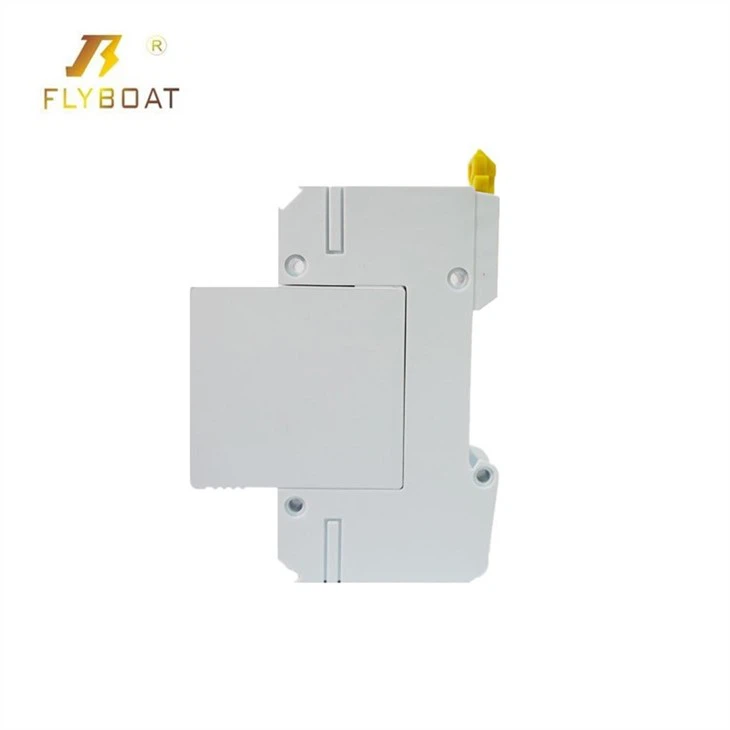
As a Power Line SPD supplier, we offer a wide range of products with different discharge current ratings to meet the needs of various applications. Whether you're looking for a solution for your home, a commercial building, or an industrial facility, we've got you covered.
We have DC MOV for PV System which is specifically designed for photovoltaic systems. These SPDs are optimized to handle the unique surge conditions in solar power setups and come with appropriate discharge current ratings.
Our Surge Protectors Signal Systems are ideal for protecting sensitive signal lines. They have carefully calibrated discharge current ratings to ensure that they can safeguard the signals without interfering with their normal operation.
For large - scale solar installations like Solar System 1000V, we offer SPDs with high - discharge current ratings to handle the potential surges in these high - voltage systems.
Making the Right Choice
When choosing a Power Line SPD based on discharge current, it's important to assess your specific needs. Consider the type of electrical system you have, the level of surge risk in your area, and the value of the equipment you want to protect.
If you're not sure which discharge current rating is right for you, don't worry. Our team of experts is here to help. We can provide you with detailed advice and recommendations based on your unique situation.
Conclusion
The discharge current of a Power Line SPD is a critical factor in ensuring the effective protection of your electrical systems. By understanding what it is, why it matters, and how to choose the right rating, you can make an informed decision when purchasing an SPD.
Whether you're a homeowner, a business owner, or an industrial operator, we have the right Power Line SPD for you. If you're interested in learning more about our products or discussing your specific requirements, feel free to reach out to us. We're ready to assist you in finding the perfect surge protection solution.
References
- IEC 61643 - 11: Low - voltage surge protective devices - Part 11: Surge protective devices connected to low - voltage power systems - Requirements and tests.
- IEEE C62.41: Recommended Practice on Surge Voltages in Low - Voltage AC Power Circuits.
- UL 1449: Standard for Surge Protective Devices.