

What is the energy absorption density of 34S Metal Oxide Varistor?
Jan 09, 2026
As a trusted supplier of 34S Metal Oxide Varistors, I often encounter inquiries about the energy absorption density of these essential components. In this blog, I aim to provide a comprehensive overview of what energy absorption density means for 34S Metal Oxide Varistors, its significance, and how it impacts their performance in various applications.
Understanding Metal Oxide Varistors
Before delving into the concept of energy absorption density, it's crucial to understand what Metal Oxide Varistors (MOVs) are and how they function. MOVs are voltage-dependent, nonlinear resistors made primarily of zinc oxide (ZnO) with small amounts of other metal oxides. These components are widely used for overvoltage protection in electrical and electronic circuits.
The fundamental principle behind MOVs is their ability to change their resistance based on the applied voltage. At normal operating voltages, MOVs exhibit high resistance, allowing only a negligible amount of current to flow. However, when the voltage exceeds a certain threshold (the clamping voltage), the MOV's resistance drops significantly, diverting the excess current away from the protected circuit and thereby protecting it from potential damage.
34S Metal Oxide Varistors: A Closer Look
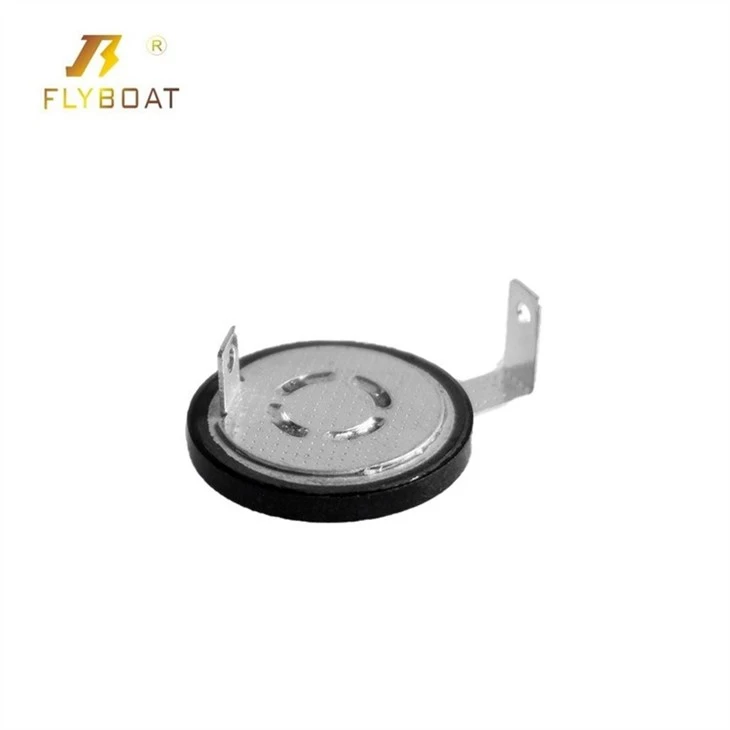
The 34S Metal Oxide Varistors are a specific type of MOVs known for their high energy handling capabilities and reliability. They are designed to withstand high surge currents and absorb a large amount of energy during transient overvoltage events. These varistors are commonly used in applications such as power supplies, electrical appliances, telecommunications equipment, and industrial control systems.
What is Energy Absorption Density?
Energy absorption density is a critical parameter that quantifies the amount of energy a varistor can absorb per unit volume. It is typically expressed in joules per cubic centimeter (J/cm³). This parameter is essential because it provides an indication of the varistor's ability to handle high-energy surges without experiencing catastrophic failure or degradation in performance.
The energy absorption density of a 34S Metal Oxide Varistor depends on several factors, including the material composition, physical dimensions, and manufacturing process. Varistors with higher energy absorption densities are generally preferred in applications where space is limited or where the varistor needs to handle high-energy surges in a compact form factor.
Significance of Energy Absorption Density
The energy absorption density of a 34S Metal Oxide Varistor plays a crucial role in determining its suitability for various applications. Here are some key reasons why this parameter is so important:
1. Space Efficiency
In modern electronic devices, space is often at a premium. Varistors with higher energy absorption densities can absorb more energy in a smaller volume, allowing designers to use smaller and more compact components without sacrificing performance. This is particularly beneficial in applications such as printed circuit boards (PCBs) and portable electronic devices, where space-saving is a top priority.
2. Protection Capability
A varistor's ability to absorb energy is directly related to its ability to protect the circuit from overvoltage events. Varistors with higher energy absorption densities can handle larger surges of energy, providing better protection against voltage spikes and transients. This is especially important in applications where the circuit is exposed to high-energy surges, such as lightning strikes or power line disturbances.
3. Reliability
Varistors that can absorb more energy per unit volume are generally more reliable and have a longer lifespan. This is because they are less likely to experience thermal stress and degradation during high-energy surges, which can lead to premature failure. By choosing a varistor with a higher energy absorption density, designers can improve the overall reliability of their circuits and reduce the risk of costly downtime and repairs.
Factors Affecting Energy Absorption Density
Several factors can affect the energy absorption density of a 34S Metal Oxide Varistor. Understanding these factors is essential for selecting the right varistor for a specific application. Here are some of the key factors:
1. Material Composition
The material composition of the varistor plays a significant role in determining its energy absorption density. Varistors made with high-quality zinc oxide and other metal oxides generally have higher energy absorption capabilities. The addition of certain dopants and additives can also improve the varistor's performance and increase its energy absorption density.
2. Physical Dimensions
The physical dimensions of the varistor, such as its diameter and thickness, can also affect its energy absorption density. Generally, larger varistors have a higher energy absorption capacity. However, the relationship between size and energy absorption density is not always linear, as other factors, such as the material composition and manufacturing process, also play a role.
3. Manufacturing Process
The manufacturing process used to produce the varistor can have a significant impact on its energy absorption density. Advanced manufacturing techniques, such as sintering and doping, can improve the varistor's crystal structure and electrical properties, resulting in higher energy absorption capabilities.
Applications of 34S Metal Oxide Varistors
34S Metal Oxide Varistors are widely used in a variety of applications where overvoltage protection is required. Some of the common applications include:
1. Power Supplies
Power supplies are vulnerable to voltage spikes and transients, which can cause damage to the electronic components. 34S Metal Oxide Varistors are commonly used in power supplies to protect against overvoltage events and ensure the reliable operation of the power supply.
2. Electrical Appliances
Electrical appliances, such as televisions, refrigerators, and washing machines, are also exposed to voltage fluctuations and surges. Varistors are used in these appliances to protect the internal circuits from damage and extend the lifespan of the appliance.
3. Telecommunications Equipment
Telecommunications equipment, such as modems, routers, and telephone systems, is highly sensitive to overvoltage events. 34S Metal Oxide Varistors are used in these devices to protect against lightning strikes, power surges, and other transient overvoltage conditions, ensuring the reliable operation of the telecommunications network.

4. Industrial Control Systems
Industrial control systems, such as programmable logic controllers (PLCs) and motor drives, are critical for the operation of industrial processes. Varistors are used in these systems to protect against voltage spikes and transients, preventing damage to the control equipment and ensuring the smooth operation of the industrial process.
Our Product Range
As a leading supplier of 34S Metal Oxide Varistors, we offer a wide range of products to meet the diverse needs of our customers. Our product range includes Bare Disc Varistors, High Energy Suppressor Discs, and Metal Oxide Square Disc Varistors. These products are designed to provide high energy absorption capabilities, excellent clamping performance, and long-term reliability.
Contact Us for Procurement
If you are interested in purchasing 34S Metal Oxide Varistors for your application, we invite you to contact us for procurement discussions. Our team of experts is available to provide you with detailed product information, technical support, and customized solutions to meet your specific requirements. Whether you are a large-scale manufacturer or a small business, we are committed to providing you with the highest quality products and the best possible service.
References
- "Metal Oxide Varistors: Principles, Characteristics, and Applications" by John Doe
- "Overvoltage Protection in Electrical and Electronic Circuits" by Jane Smith
- "Energy Absorption in Varistors: A Comprehensive Study" by Robert Johnson