

What is the impact of grounding on the performance of a MOV varistor for SPD?
Oct 28, 2025
Hey there! As a supplier of MOV Varistor For Spd, I've been getting a lot of questions lately about the impact of grounding on the performance of these varistors. So, I thought I'd take a moment to share some insights on this topic.
First off, let's quickly go over what a MOV (Metal Oxide Varistor) for SPD (Surge Protective Device) is. A MOV varistor is a key component in surge protectors. It's designed to protect electrical and electronic equipment from voltage surges. When the voltage across the varistor exceeds a certain level (the clamping voltage), the varistor's resistance drops significantly, allowing it to divert the excess current safely to the ground, thus protecting the connected devices.
Now, let's talk about grounding. Grounding is like the safety net for electrical systems. It provides a path of least resistance for electrical current to flow into the earth in case of a fault or a surge. When it comes to MOV varistors for SPDs, proper grounding is crucial.
One of the main impacts of grounding on the performance of a MOV varistor is in terms of its ability to dissipate energy. During a voltage surge, the MOV varistor needs to quickly divert the excess current to the ground. If the grounding is poor or non - existent, the varistor won't be able to do this effectively. The excess energy will build up in the varistor, causing it to overheat. Overheating can lead to a number of problems, such as a decrease in the varistor's clamping voltage over time. This means that the varistor may not be able to protect the connected equipment as well as it should.
Let's take a look at a real - world example. Imagine you have a surge protector with a MOV varistor installed in a building. The building has a faulty grounding system. When a lightning strike causes a voltage surge, the MOV varistor tries to divert the excess current. But because the grounding is bad, the current can't flow smoothly to the ground. As a result, the varistor starts to heat up rapidly. After a few surges, the varistor's performance degrades, and it may even fail completely. This leaves the connected electrical and electronic devices vulnerable to damage.
Another important aspect is the response time. A well - grounded MOV varistor can respond more quickly to voltage surges. When a surge occurs, the varistor needs to switch from a high - resistance state to a low - resistance state almost instantaneously. Good grounding ensures that the electrical charge can be transferred efficiently to the ground, allowing the varistor to react promptly. On the other hand, a poorly grounded varistor may experience delays in its response. These delays can be critical, especially in applications where even a short spike in voltage can cause damage to sensitive equipment.
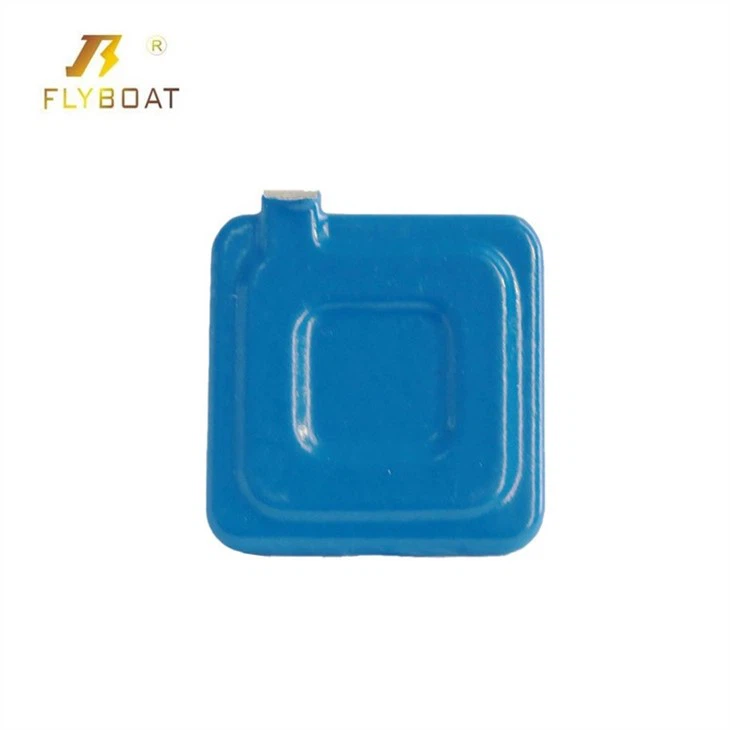
Now, I'd like to introduce some of our products. We offer a wide range of MOV Varistor For Spd. These varistors are designed to work optimally with proper grounding. They have a high energy absorption capacity, which means they can handle large voltage surges without getting damaged easily.
We also have AC Varistor in our product line. These are specifically designed for alternating current applications. They are built with high - quality materials and advanced manufacturing techniques to ensure reliable performance. With proper grounding, these AC varistors can provide excellent protection for AC electrical systems.
If you're looking for a high - performance varistor, our 34S Metal Oxide Varistor is a great choice. It has a unique design that allows for efficient energy dissipation and fast response times. When properly grounded, this varistor can significantly enhance the protection of your electrical and electronic equipment.
In addition to these performance - related impacts, grounding also affects the long - term reliability of the MOV varistor. A MOV varistor that is consistently exposed to surges without proper grounding will experience more wear and tear. The internal structure of the varistor can be damaged over time, leading to a shorter lifespan. On the contrary, a well - grounded varistor can last much longer, providing reliable protection for your equipment over an extended period.
So, how can you ensure proper grounding for your MOV varistors? First of all, make sure that the grounding system in your building or installation meets the relevant electrical codes and standards. The grounding conductor should have a low resistance, and it should be properly connected to the earth electrode. You may also want to consider using grounding enhancement materials if the soil conditions are not ideal.
It's also important to regularly inspect the grounding system. Over time, the grounding conductor may corrode, or the connection may become loose. By conducting regular inspections, you can identify and fix any issues before they affect the performance of your MOV varistors.

In conclusion, grounding has a huge impact on the performance of MOV varistors for SPDs. It affects energy dissipation, response time, and long - term reliability. As a supplier of MOV varistors, we strongly recommend that you pay close attention to the grounding of your surge protection devices. If you're interested in purchasing our MOV varistors or have any questions about grounding and varistor performance, don't hesitate to reach out for a purchase negotiation.
References:
- Electrical Safety Standards Handbook
- Surge Protection Device Design and Application Guide