

What is the noise level generated by bare disc varistors?
Dec 24, 2025
What is the noise level generated by bare disc varistors?
As a supplier of Bare Disc Varistors, I often encounter inquiries from customers regarding various aspects of these components, and one question that has been coming up more frequently is about the noise level generated by bare disc varistors. In this blog post, I'll delve into the topic, exploring what noise means in the context of varistors, the factors influencing the noise level, and how it impacts the performance of electrical systems.
Understanding Noise in Varistors
In the realm of electrical components, noise refers to any unwanted electrical signals that can interfere with the normal operation of a system. For bare disc varistors, the noise is typically associated with the electrical behavior of the varistor material itself, especially when it is subjected to voltage fluctuations and transient events.
Varistors are designed to protect electrical circuits from over - voltage conditions. When a voltage spike occurs, the varistor's resistance drops rapidly, allowing it to conduct current and divert the excess energy away from the sensitive components in the circuit. During this process, the internal structure of the varistor experiences changes in electrical properties, which can generate small electrical fluctuations that are considered noise.
Factors Influencing the Noise Level
Material Composition
The material used in bare disc varistors plays a crucial role in determining the noise level. Most bare disc varistors are made of metal oxide materials, such as zinc oxide (ZnO). The quality and purity of these materials can significantly affect the varistor's performance. Impurities in the metal oxide can create additional electrical paths within the varistor, leading to an increase in noise. For example, a varistor with a higher concentration of impurities may exhibit more erratic current flow during normal operation, resulting in elevated noise levels.
Voltage Stress
The amount of voltage stress on the varistor is another important factor. When a varistor is exposed to high - voltage transients, the internal electric field within the varistor increases. This can cause the movement of charge carriers to become more chaotic, generating more noise. Additionally, if the varistor is continuously operated near its maximum voltage rating, the noise level may gradually increase over time due to the degradation of the varistor material.
Temperature
Temperature also has an impact on the noise level of bare disc varistors. As the temperature rises, the mobility of charge carriers in the varistor material increases. This can lead to more random current fluctuations, resulting in higher noise. Moreover, extreme temperatures can cause thermal expansion and contraction of the varistor, which may introduce mechanical stress and further affect the electrical properties, contributing to increased noise.
Measuring the Noise Level
Measuring the noise level of bare disc varistors requires specialized equipment. One common method is to use a spectrum analyzer. The spectrum analyzer can detect and analyze the frequency components of the electrical noise generated by the varistor. By measuring the noise power at different frequencies, engineers can get a comprehensive understanding of the varistor's noise characteristics.
It's important to note that the noise level of varistors is usually very low, often in the microvolt or even nanovolt range. However, in sensitive electrical systems, such as those used in medical equipment or high - precision measurement devices, even this small amount of noise can have a significant impact on the system's performance.
Impact on Electrical Systems
In some electrical systems, the noise generated by bare disc varistors can cause interference with other components. For example, in audio systems, the noise can be heard as a faint hiss or distortion in the sound output. In communication systems, the noise can introduce errors in data transmission, reducing the reliability of the system.
On the other hand, in many power protection applications, the noise generated by varistors is usually not a major concern. As long as the varistor can effectively protect the circuit from over - voltage events, the small amount of noise is often acceptable.

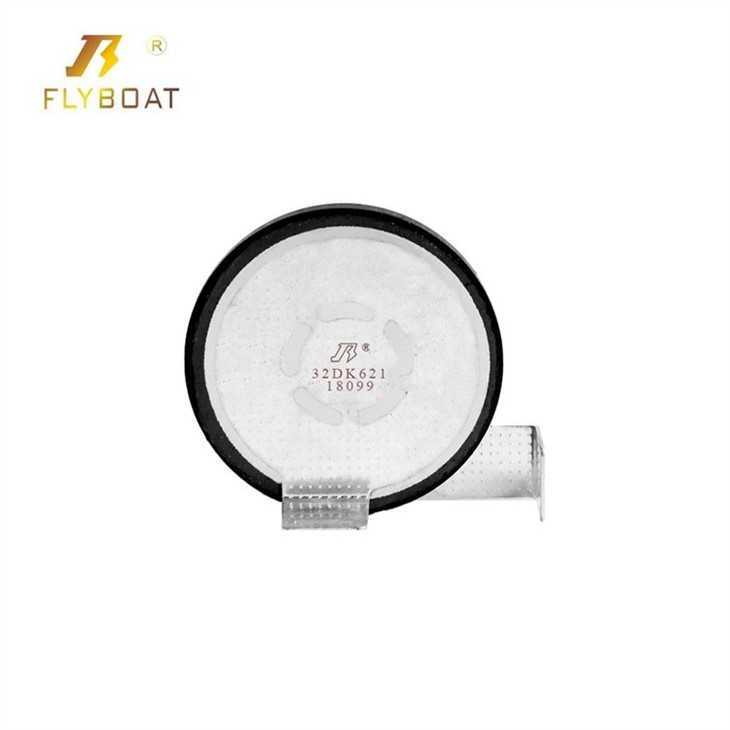
Our Bare Disc Varistors and Noise Control
At our company, we are committed to providing high - quality bare disc varistors with low noise levels. We use advanced manufacturing processes to ensure the purity and uniformity of the metal oxide materials. This helps to minimize the additional electrical paths caused by impurities, thereby reducing the noise level.
We also conduct strict quality control during the production process. Each varistor is tested for its electrical performance, including noise level, to ensure that it meets our high - quality standards. Our Bare Disc Varistors are designed to provide reliable over - voltage protection while keeping the noise level as low as possible.
Related Products
In addition to our standard bare disc varistors, we also offer a range of related products, such as the 34S Metal Oxide Varistor. This varistor is designed for specific applications where high - performance over - voltage protection is required. It also features low noise characteristics, making it suitable for use in sensitive electrical systems.
We also have Class I MOV products. Class I MOVs are typically used in applications where the highest level of over - voltage protection is needed, such as in power distribution systems. Our Class I MOVs are engineered to provide excellent protection while maintaining a low noise profile.
Contact Us for Procurement
If you are interested in our bare disc varistors or any of our other products, we encourage you to contact us for procurement discussions. Whether you need a small quantity for prototyping or a large - scale order for mass production, our team of experts is ready to assist you. We can provide detailed product information, technical support, and competitive pricing to meet your specific requirements.
References
- "Handbook of Varistors" - A comprehensive guide on varistor technology, including material properties and performance characteristics.
- "Electrical Noise in Electronic Components" - A research paper that discusses the general principles of electrical noise generation in various electronic components, including varistors.
- "Varistor Applications in Power Systems" - An industry - specific publication that explores the use of varistors in power protection and the impact of noise on system performance.